
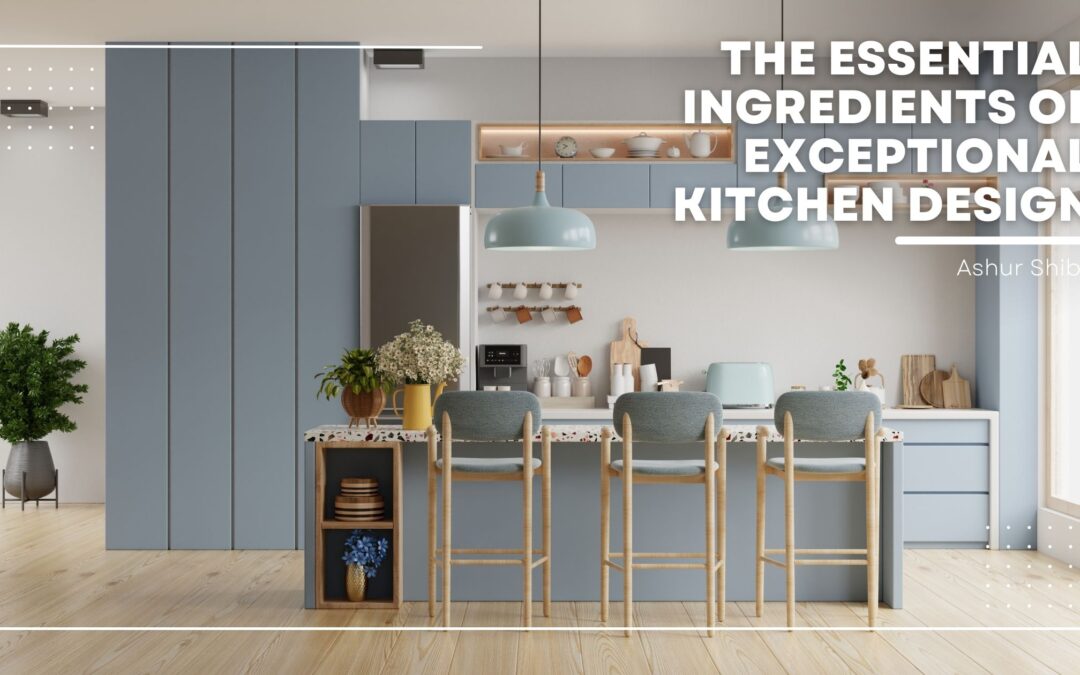
The kitchen is more than just a functional space; it’s the heart of the home where culinary magic unfolds, family bonds strengthen, and memories are made. Designing a kitchen that combines aesthetics, functionality, and comfort requires thoughtful planning and an understanding of the key ingredients that make a space extraordinary. Whether for a residential project or a commercial culinary setup, these elements are vital for achieving the best kitchen design.
1. Thoughtful Layout and Workflow
The layout forms the backbone of any kitchen design. The “work triangle” concept, which connects the refrigerator, stove, and sink, ensures efficiency in movement during cooking. Depending on the space, layouts such as L-shape, U-shape, galley, or island-based designs can maximize both functionality and aesthetics. For example, a compact kitchen may benefit from a galley layout, while an open-concept home may thrive with an island that serves as both a workspace and a social hub.
To ensure optimal workflow, think about the “zones” in your kitchen. Assign specific areas for food preparation, cooking, cleaning, and storage. Clear zoning minimizes clutter and allows multiple users to navigate the kitchen simultaneously without interfering with each other.
2. High-Quality Materials
The durability and appeal of your kitchen heavily depend on the materials you choose. Countertops made of quartz or granite are not only aesthetically pleasing but also resistant to wear and tear. For cabinetry, hardwoods like maple or oak offer timeless elegance, while modern kitchens might opt for laminate or acrylic finishes.
Flooring should balance beauty with practicality. Porcelain tiles are a popular choice for their durability and ease of cleaning, while hardwood floors add warmth to the space. Materials should also be easy to maintain, as the kitchen sees high traffic and frequent messes.
3. Storage Solutions
Storage is a cornerstone of effective kitchen design. Without proper organization, even the most beautiful kitchens can quickly become chaotic. Incorporate a mix of cabinetry, open shelving, and pull-out drawers to accommodate everything from utensils to small appliances.
Consider modern storage solutions like vertical pantry pull-outs, built-in spice racks, or corner carousel units to maximize every inch of available space. Appliances such as dishwashers can be hidden behind paneling to maintain a sleek and seamless look.
4. Lighting Design
Lighting plays a transformative role in the kitchen, impacting both its functionality and ambiance. The ideal kitchen lighting plan includes three layers:
- Ambient Lighting: Provides general illumination and can be achieved with recessed ceiling lights or pendants.
- Task Lighting: Focused lighting for areas like countertops and sinks, ensuring precision during food preparation. Under-cabinet LED strips are a popular choice for this purpose.
- Accent Lighting: Adds a decorative touch, highlighting design features such as glass-front cabinets or a statement backsplash.
Dimmable lighting systems can further enhance the atmosphere, transitioning from bright daytime functionality to cozy evening vibes.
5. Smart Technology Integration
Modern kitchens embrace technology for convenience and efficiency. Smart appliances like refrigerators with touchscreen interfaces, ovens with pre-programmed settings, and voice-controlled lighting systems make cooking easier and more enjoyable.
Consider touchless faucets for hygiene, integrated sound systems for entertainment, or smart scales that sync with recipes. These features not only elevate the kitchen’s functionality but also increase its value for homeowners.
6. Timeless Design Aesthetics
A well-designed kitchen strikes a balance between timeless appeal and contemporary trends. Neutral palettes such as white, beige, and grey provide a classic look, while pops of color in backsplashes, appliances, or bar stools can reflect personal style.
Incorporating natural elements like wooden accents or stone textures adds warmth and character. Meanwhile, sleek metallic fixtures or minimalist hardware can bring a modern edge to the space. The key is to create a cohesive design that remains stylish and functional for years to come.
7. Appliance Selection and Placement
The appliances you choose and where you place them can make or break the kitchen’s usability. Invest in high-quality, energy-efficient models that suit your cooking habits. Built-in appliances like ovens and microwaves save space and create a streamlined look.
Ensure that appliances are placed strategically. For instance, the refrigerator should be accessible to both the prep zone and dining area, while the dishwasher should be near the sink for easy cleanup.
8. Ventilation and Air Quality
A good kitchen isn’t just visually appealing; it’s also a comfortable space to work in. Proper ventilation is essential to keep the air fresh and prevent lingering cooking odors. High-powered range hoods and exhaust fans are a must for maintaining air quality.
For eco-conscious homeowners, consider hoods with charcoal filters that neutralize odors while reducing energy consumption.
9. Personalization
Every kitchen should reflect the personality and lifestyle of its users. If you love entertaining, include a spacious island with seating. If baking is your passion, allocate space for specialized tools and appliances. Personal touches such as a coffee station, a wine rack, or family photos can make the kitchen uniquely yours.
10. Budget-Friendly Planning
Finally, an excellent kitchen design doesn’t have to break the bank. Prioritize your must-haves and allocate resources accordingly. For example, if you’re splurging on premium countertops, you might choose budget-friendly lighting fixtures or DIY your backsplash installation.
By carefully balancing needs, wants, and costs, you can achieve a stunning kitchen that aligns with your financial goals.
Conclusion
The best kitchen design blends practicality, aesthetics, and innovation to create a space that meets your needs and inspires joy. With the right layout, materials, storage, lighting, and personalization, you can craft a kitchen that stands the test of time and becomes a centerpiece for both daily living and entertaining.